

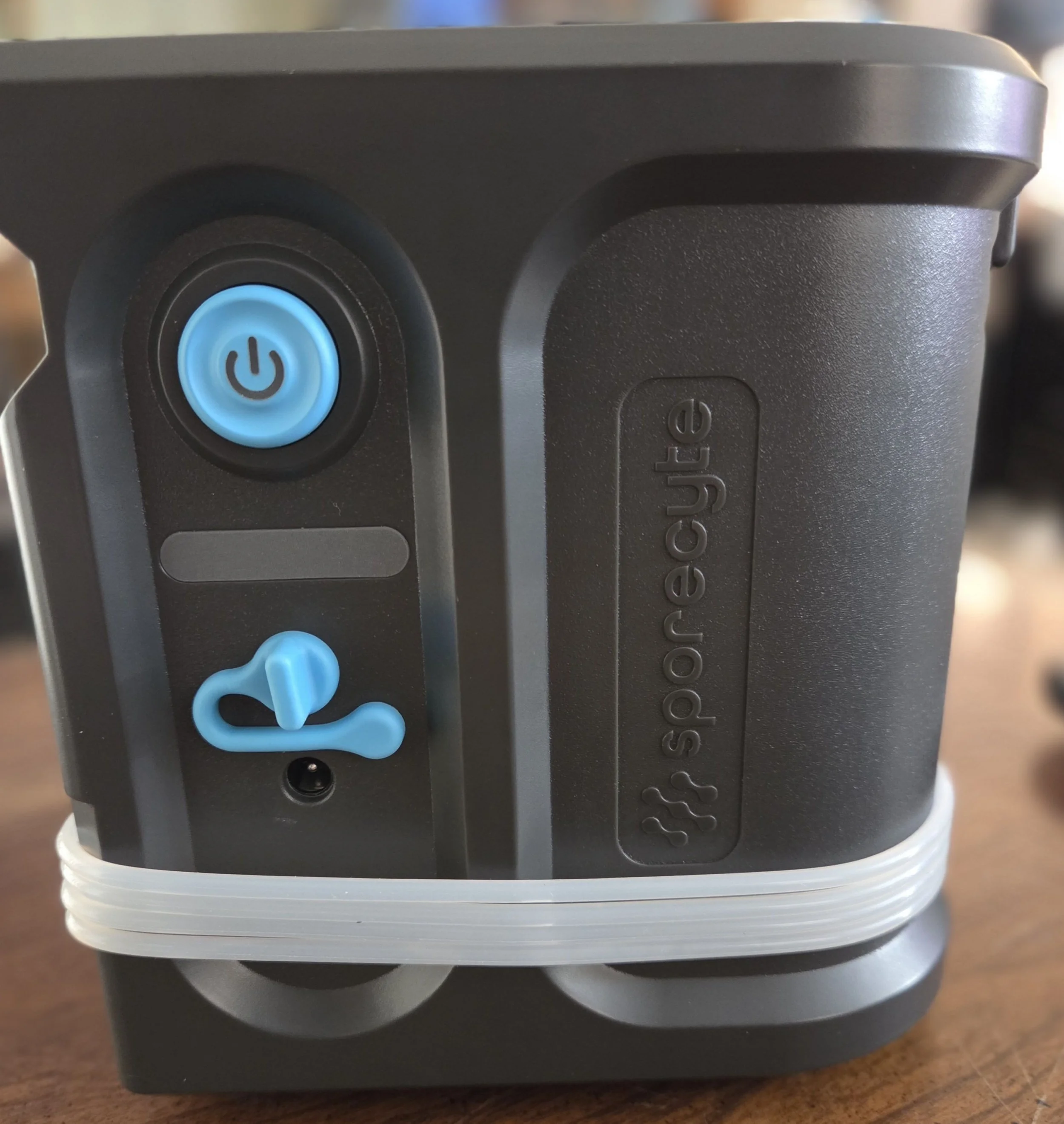
The Hidden Dangers of Mycotoxins and VOCs in Residential Air Quality
Fungal contamination extends far beyond physical spores. Explore the biochemical threats of residential dampness, detailing how active mold colonies outgas toxic secondary metabolites (mycotoxins) and volatile chemical mixtures (mVOCs) that easily migrate through standard building materials.
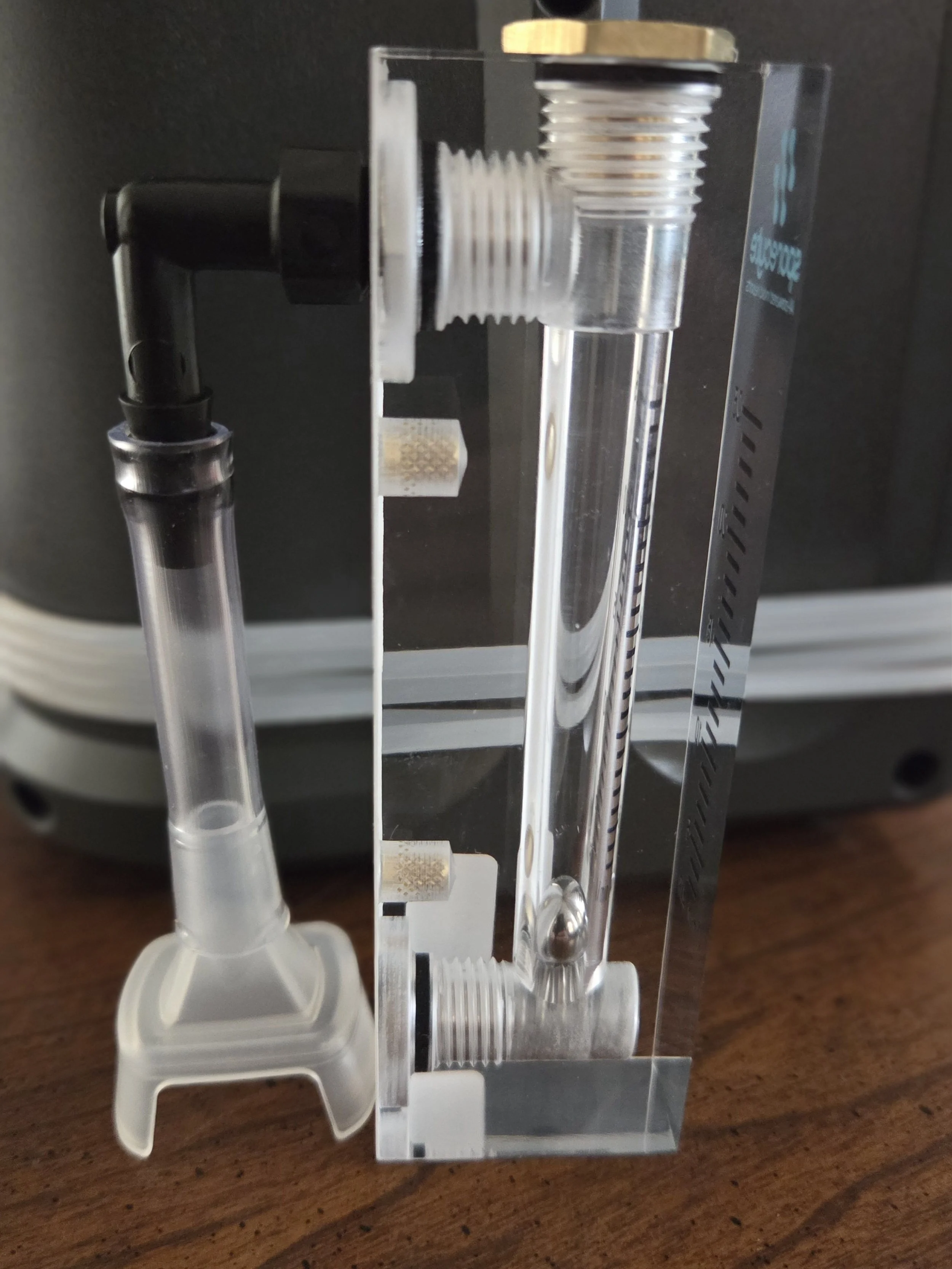
Advanced Diagnostics: The Standard Protocol for a Modern Mold Investigation
True environmental diagnostics require a repeatable, scientific framework. This article outlines the multi-phase protocol for a modern mold investigation, combining infrared thermography, psychrometric atmospheric mapping, and physical moisture profiling under IICRC S520 guidelines.
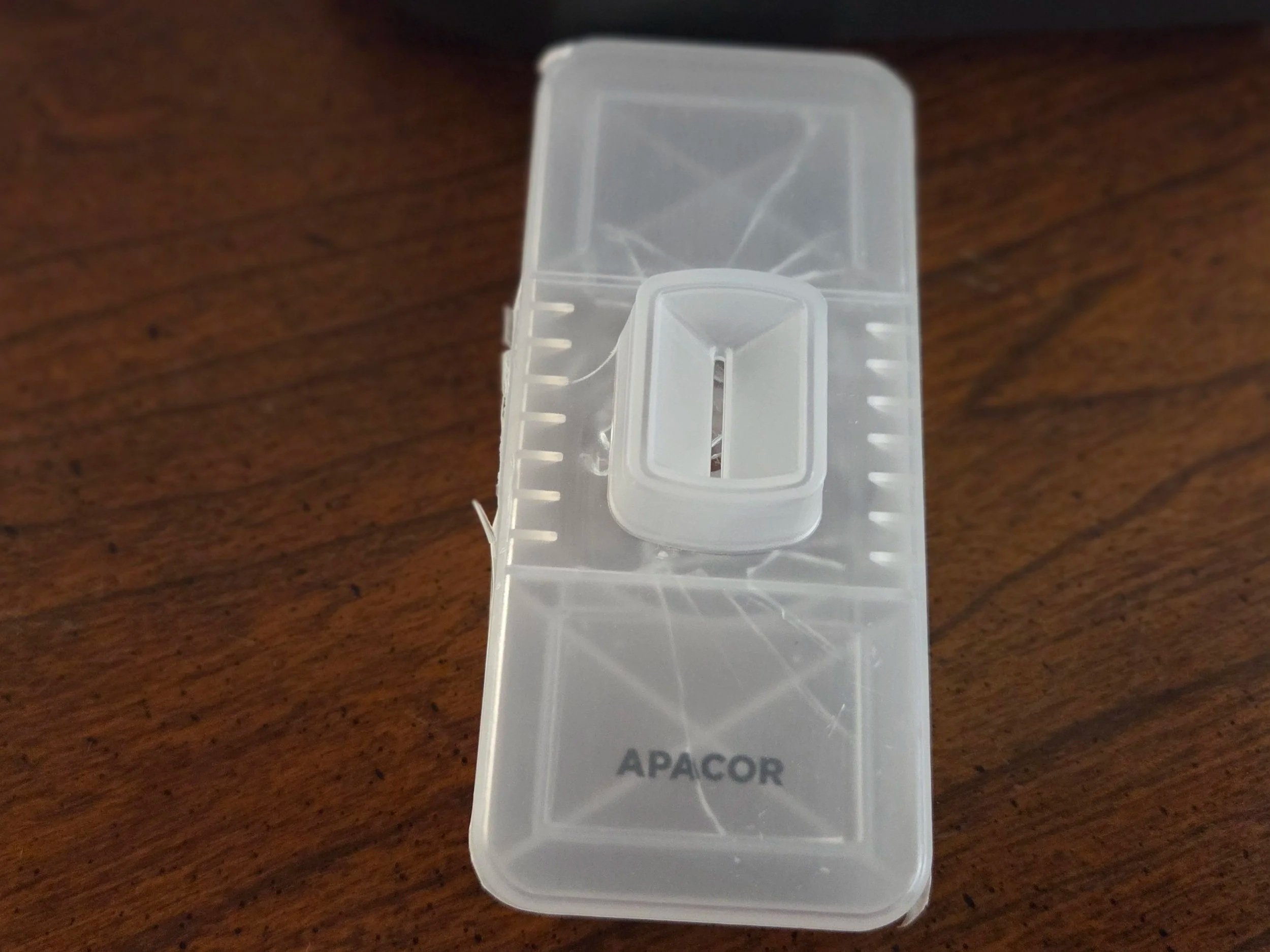
Particulate Dynamics: How HVAC Systems Spread or Suppress Indoor Air Contaminants
A residential forced-air system dictates the migration and settling of airborne contaminants. Analyze the physics of aerodynamic diameter, particle settling velocities, and how mechanical filter capture phases (MERV ratings) and pressure imbalances either spread or suppress indoor fungal pollutants.
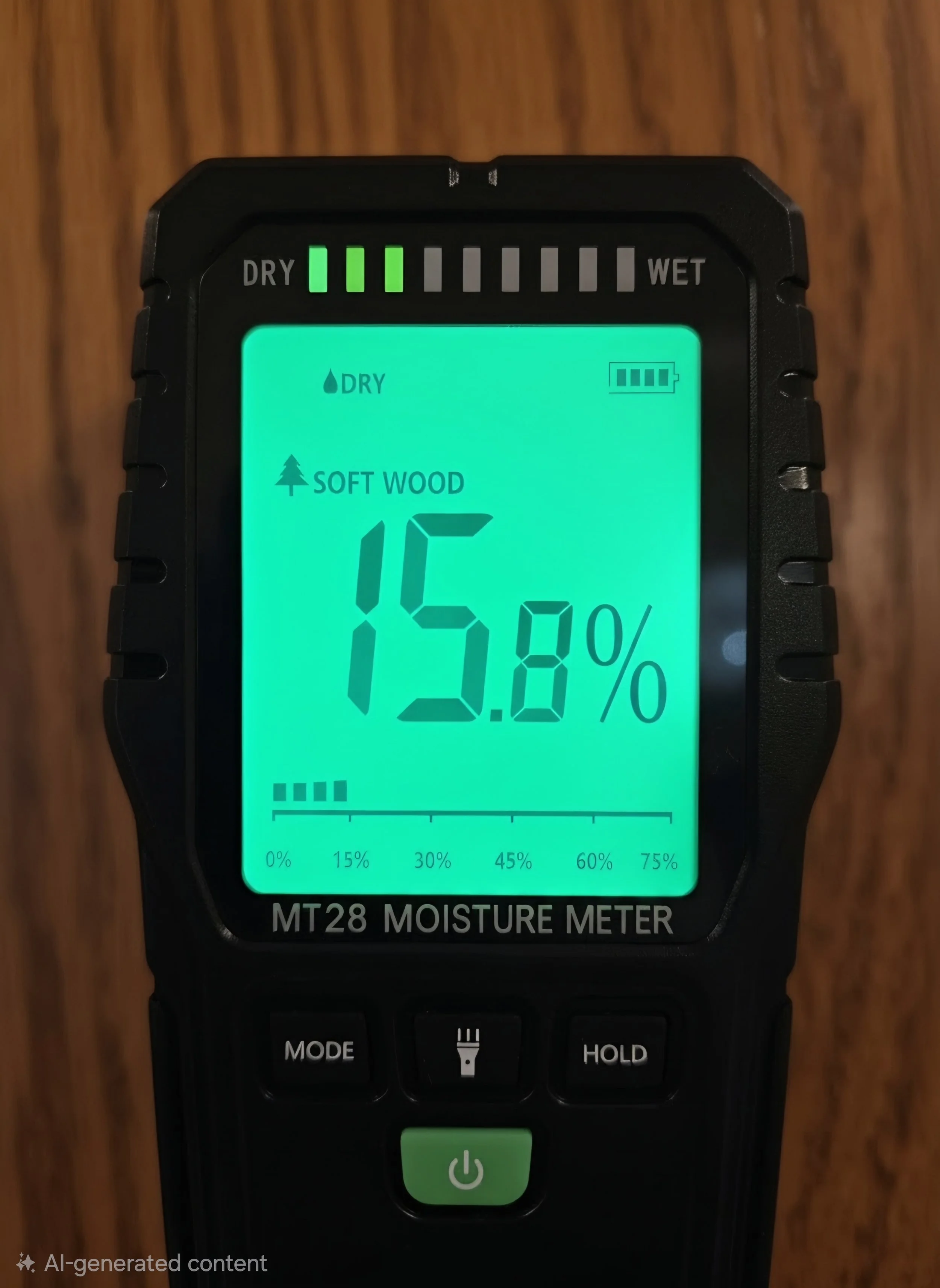
Microclimatology: Why Invisible Relative Humidity Triggers Toxic Mold Growth
Ambient indoor air metrics can be highly deceptive. This building science investigation explains how structural microclimatology, thermal bridging, and shifting vapor pressure gradients create invisible high-humidity zones that trigger toxic mold germination inside wall cavities and structural boundary layers.
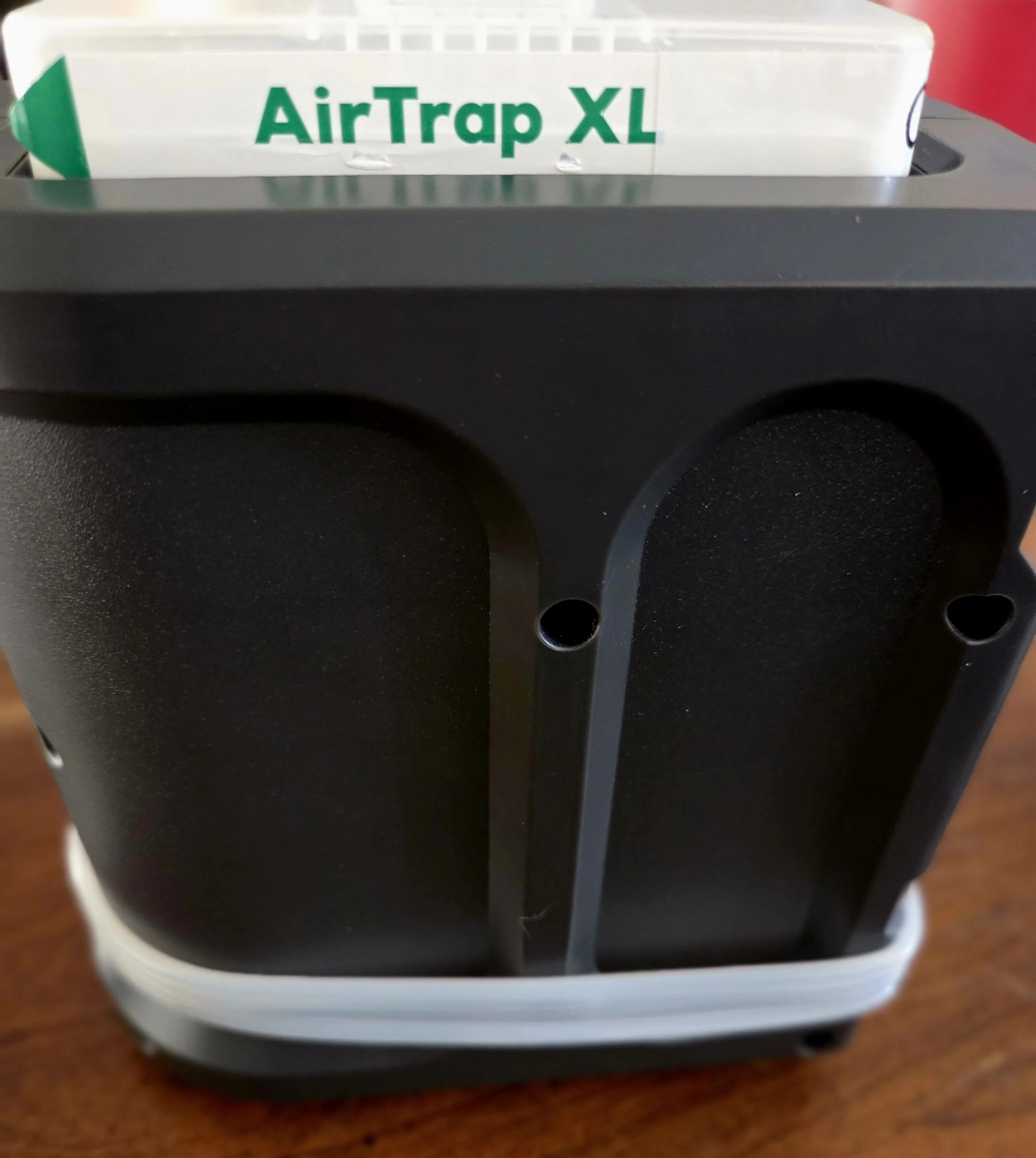
The Science of the Spore Count: How Professionals Interpret Air Sample Data
Discover the laboratory science behind mold air sample analysis. This advanced technical guide breaks down inertial impaction, raw counts versus volumetric concentrations ($spores/m^3$), and how professional investigators utilize outdoor control data to evaluate a building's indoor fungal ecology.