

Mold & Air Quality Inspection – Dubuque, IA – July 2026
Property Type: Residential Basement
Location: Dubuque, IA
Primary Concern: Persistent musty odor in finished basement
Key Findings: Condensation-induced mold growth, elevated airborne spore counts
Recommendation: Professional mold remediation, moisture barrier adjustment, climate control calibration
The Problem
The homeowner reported a persistent musty odor in their finished basement that intensified during the warmer, humid summer weeks. Despite the basement appearing dry on the surface, the persistent smell led to concerns regarding hidden moisture intrusion and potential indoor air quality risks for their family.
The Assessment
To identify the source of the odor, I conducted a comprehensive on-site analysis of the basement environment. I began by using a pinless moisture meter to perform a systematic grid-check of the exterior-facing walls. This allowed me to detect high moisture content behind the finished drywall without causing any damage to the home's interior.
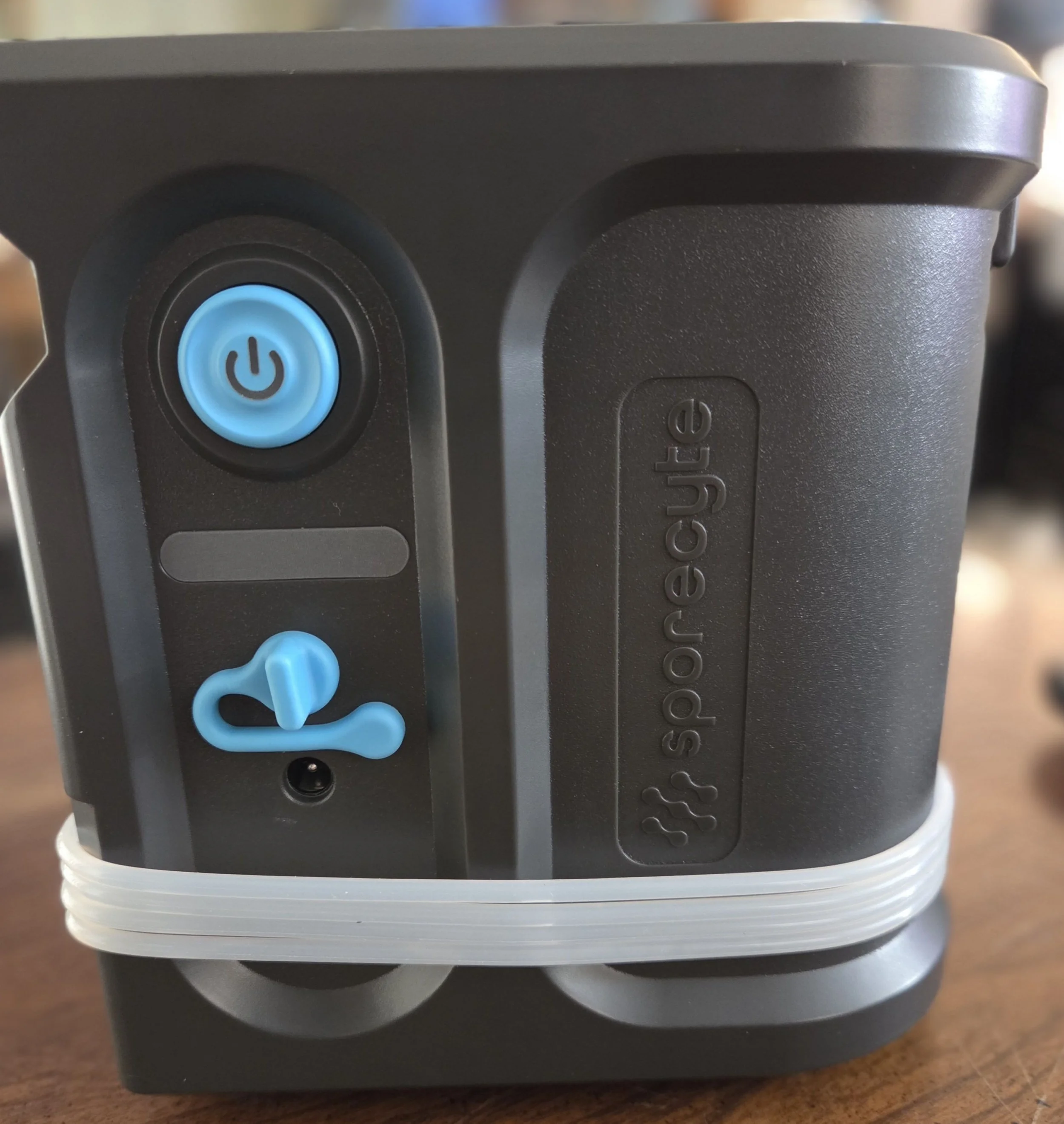
Simultaneously, I deployed a thermo-hygrometer to evaluate the ambient climate. The readings confirmed that poor ventilation and high humidity were allowing warm, moist air to meet the cooler concrete surface of the back basement wall, creating the perfect environment for condensation. To quantify the impact on the home's breathing zone, I collected three laboratory-certified air testing cassettes—two interior samples from the basement and one outdoor baseline—to compare the concentration and type of fungal activity present.
The Findings
The moisture mapping identified localized saturation on the back basement wall caused by persistent condensation. Furthermore, the laboratory results from the three air cassettes returned positive, confirming elevated concentrations of mold spores throughout the basement, which directly accounted for the musty odor the family had been experiencing. See services offered.
The Solution
While I do not perform the remediation myself, I provided the homeowner with a detailed, data-backed plan to address the issue. My recommendations included:
Professional Remediation: Hiring a certified contractor to remove the compromised drywall and perform an antimicrobial treatment to clean the wall surface properly.
Climate Control: Installing a high-capacity, self-draining dehumidifier set to maintain relative humidity consistently below 60% to prevent future condensation.
Structural Adjustments: Improving the airflow around the back wall and ensuring the basement HVAC registers are balanced to minimize dead air pockets.
By following these expert-led next steps, the homeowner can effectively eliminate the source of the mold and restore a healthy, odor-free environment to their home.